The Feeling of Control Inside a Car and Inside a Casino
There is a deeply human need to feel in control of what is happening around us. Whether someone is gripping a steering wheel or pressing a button on a machine, the mind naturally looks for a connection between action and outcome. When we compare two very different environments—driving a car and interacting inside a casino—we begin to see how this feeling of control can take two very different forms.
In one setting, control is physical, direct, and measurable. In the other, it is subtle, shaped by perception, and influenced by design. Understanding this difference reveals not only how environments shape behavior, but also how easily the mind adapts to different forms of “control.”
Visual Contrast: Control in Motion vs. Control in Interaction
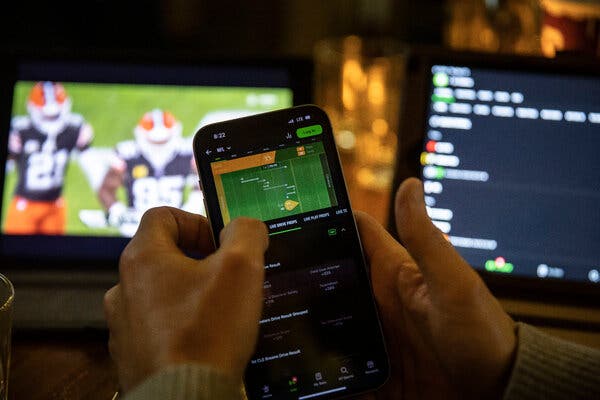
Driving offers direct, physical control, while casino environments create a sense of interactive control through design and feedback.
Direct Control vs. Perceived Control

Inside a car, control is immediate and physical. Turning the steering wheel changes direction. Pressing the brake slows the vehicle. Every action produces a predictable and visible result.
Research in human factors engineering shows that systems with direct physical feedback increase user confidence by over 60%, because the connection between action and outcome is clear and consistent.
A driving instructor once explained it simply:
“The car does exactly what you tell it to do—if you understand it well enough.”
This clarity builds trust. Drivers learn that their skill directly influences the outcome.
In a casino, the interaction feels similar on the surface—pressing a button, making a choice—but the outcome is not controlled in the same way. The system responds, but not based on physical skill or direct influence.
Yet, players often feel involved. A frequent casino visitor shared online:
“It feels like I’m doing something that matters every time I press the button, even if I know it’s random.”
This is perceived control—a feeling of influence created through interaction, not actual control over outcomes.
Feedback and Its Role in Building Confidence
Feedback is one of the strongest factors shaping how control is experienced.
In a Car:
- Feedback is continuous
- The driver sees, feels, and hears responses instantly
- Adjustments can be made in real time
This creates a learning loop. Over time, drivers improve their skills because they can connect cause and effect clearly.
In a Casino:
- Feedback comes after the action
- Results appear instantly, but without detailed explanation
- There is no clear way to adjust strategy based on outcomes
A behavioral study found that people are more likely to feel in control when feedback is continuous rather than outcome-based, even if the actual level of control is the same.
A player described this difference:
“When driving, I know what I did wrong. In a casino, I just see what happened.”
This distinction shapes confidence differently in each environment.
The Role of Environment in Shaping Perception

The environment itself plays a powerful role in how control is felt.
Driving Environment:
- Designed for focus and awareness
- Encourages careful, deliberate action
- Requires attention to surroundings
Casino Environment:
- Designed for smooth, continuous interaction
- Encourages ongoing engagement
- Reduces pauses between actions
Industry design studies show that environments with fewer interruptions increase user engagement time by up to 30%, because they keep attention moving forward.
A designer in the gaming industry noted:
“The goal is to make interaction feel effortless, so the user stays in the flow.”
This “flow” can make actions feel meaningful, even when outcomes are not directly controlled.
The Psychology of Control: The Illusion Effect
One of the most studied concepts in psychology is the illusion of control—the tendency for people to believe they can influence outcomes that are actually determined by chance.
This idea was first explored by psychologist Ellen Langer, who found that people often behave as if they have control in random situations simply because they are actively involved.
Her research showed:
- People place higher value on outcomes when they feel involved
- Repeated interaction strengthens the belief in control
- Familiar actions increase confidence, even in uncertain systems
A real-world comment reflects this perfectly:
“I know it’s random, but it still feels like timing or choice matters somehow.”
This is not irrational—it is how the human brain naturally processes interaction and feedback.
Emotional Influence on the Feeling of Control
Emotions strongly shape how control is perceived in both environments.
In a Car:
- Calmness improves decision-making
- Stress reduces reaction time and clarity
- Control feels stronger when emotions are stable
In a Casino:
- Wins increase confidence and perceived control
- Losses may trigger attempts to “regain” control
- Emotional swings influence behavior more directly
A study in decision psychology found that positive outcomes increase perceived control by up to 25%, even when outcomes are random.
A player shared:
“After a win, I feel like I understand the system better—even if nothing actually changed.”
This emotional reinforcement creates a cycle where control feels real, even when it is not directly tied to action.
Real-World Example: Driving vs. Gaming Behavior
Consider two scenarios:
Scenario 1: Driving
A driver approaches a curve too quickly. They adjust speed and steering, successfully navigating the turn.
- Clear cause and effect
- Learning occurs
- Control improves over time
Scenario 2: Casino Play
A player presses a button and wins. They press again and lose.
- No clear cause and effect
- No direct learning path
- Control is perceived, not developed
Despite this difference, both experiences can feel equally engaging because both involve action and feedback.
Why the Mind Adapts So Easily
The human brain is designed to:
- Look for patterns
- Connect actions to outcomes
- Build confidence through repetition
In driving, these patterns are real and measurable.
In casino environments, the patterns are often perceived rather than actual.
Yet the brain treats both seriously because the structure of interaction is similar.
A cognitive researcher explained:
“The brain doesn’t always distinguish between real control and perceived control—it responds to the experience of interaction.”
The Blending of Control and Experience
Over time, repeated interaction in any environment shapes expectations.
- Drivers become more confident through skill
- Players become more confident through familiarity
In both cases, the feeling of control grows—but for different reasons.
This is why someone can feel highly in control in a casino setting, even while knowing logically that outcomes are not directly influenced by their actions.
Final Thoughts
The feeling of control is not just about reality—it is about perception, interaction, and experience. Inside a car, control is physical, direct, and grounded in cause and effect. Inside a casino, control is interactive, shaped by design, and influenced by feedback and emotion.
Both experiences are powerful in their own way because they engage the same human need: to feel connected to outcomes and to believe that actions matter.
The key insight is awareness. Recognizing the difference between direct control and perceived control allows for a more balanced understanding of both environments.
In the end, whether navigating a road or interacting with a system, the feeling of control reflects something deeper—the human desire to guide outcomes, make sense of actions, and remain connected to the world around us, even when that connection takes very different forms.